
-
-
 A message from the Climate & Equity Committee
-
-

Making a difference in the lives of others
-

Life…Theories…Results
Department Highlights
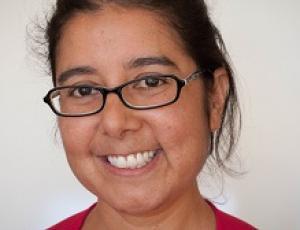
Congratulations to Harumi Quinones for receiving the Distinguished Service Award, Social Sciences
UC Berkeley Department of Psychology Student Services Director Harumi Quinones has been selected for the Social Sciences Distinguished Service Award for 2024.
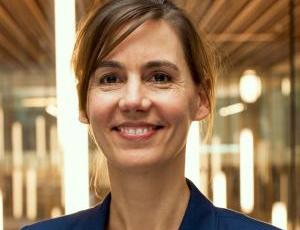
Congratulations to Iris Mauss for receiving the Mentorship in Affective Science Award
The 2024 Society for Affective Science Mentorship Award is bestowed to Dr. Iris Mauss, Professor of Psychology and director of the Institute for Social and Personality Research (IPSR) at the University of California, Berkeley.

Congratulations to Emily Rosenthal for receiving a P.E.O. Scholar Award
Emily Rosenthal, a Clinical Science PhD student at the University of California, Berkeley, received a 2024 Scholar Award given by the International Chapter of the P.E.O. Sisterhood.
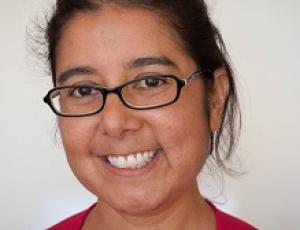
Congratulations to Harumi Quinones, recipient of the Chancellor's Outstanding Staff Awards
UC Berkeley Department of Psychology Student Services Director Harumi Quinones has been selected as a recipient of the 2024 Chancellor's Outstanding Staff Awards.
Graduate Student Highlights
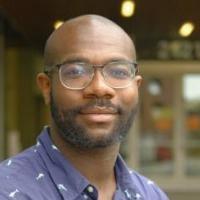
Jonathan Reeves is a PhD candidate in the Clinical Science program at the University of California, Berkeley. His research aims to better understand, predict, and treat self-harm, suicide, and the...
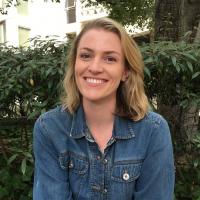
Scientists at UC Berkeley and Western University in Canada have used brain imaging to map the cerebellum, a formerly underappreciated neural region that contains the vast majority of the brain’s...
Alumni Stories

Alan Schwartz (PhD 1997) was named Editor-in-Chief of Medical Decision Making, the journal of the Society for Medical Decision Making, in January 2013. Alan continues to pursue his research and...


At the age of 41, I decided I would like to get a degree in psychology. I went 3 years to a community college and transfered in to UC Berkeley at the age of 44. I graduated in 2 years (2004)...